

The University Clinical Hospital in Wroclaw has successfully completed 50 CAR-T cell therapies in pediatric patients, reaching a major milestone for advanced cellular therapies in Poland and Europe. The 50th patient is 9-year-old Antonina, treated at the Department of Pediatric Bone Marrow Transplantation, Oncology and Hematology.
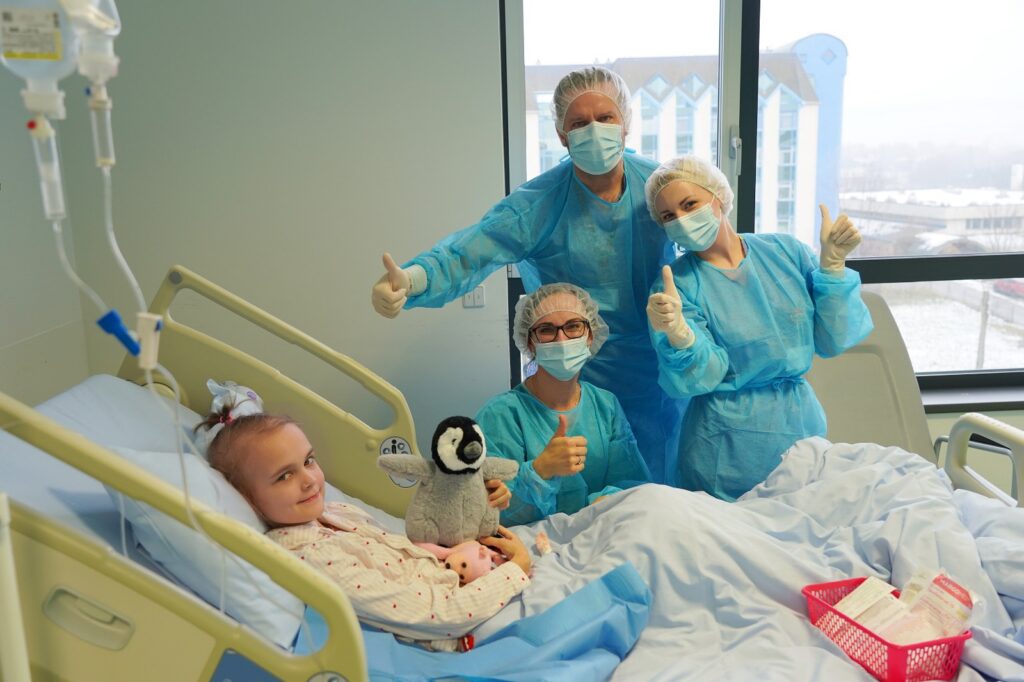
CAR-T therapy is one of the most advanced treatments for hematologic malignancies. It involves genetically modifying a patient’s own T lymphocytes to recognize and destroy cancer cells. As the number of treated patients increases, so does the effectiveness of therapy. Currently, treatment outcomes at the Wroclaw center exceed those reported by leading international institutions.
Earlier use of CAR-T improves survival chances
Antonina had previously undergone bone marrow transplantation but experienced a relapse. According to Prof. Krzysztof Kałwak, Head of the Department, CAR-T therapy is now being introduced earlier in the treatment pathway, without waiting for multiple relapses, significantly increasing patients’ chances of survival.
Preparation for CAR-T therapy usually takes about a month. The patient’s T cells are collected during a short hospital stay and sent abroad for genetic modification. Before infusion, patients undergo bridging therapy to reduce tumor burden, followed by lymphodepleting chemotherapy, which facilitates the engraftment of modified cells.
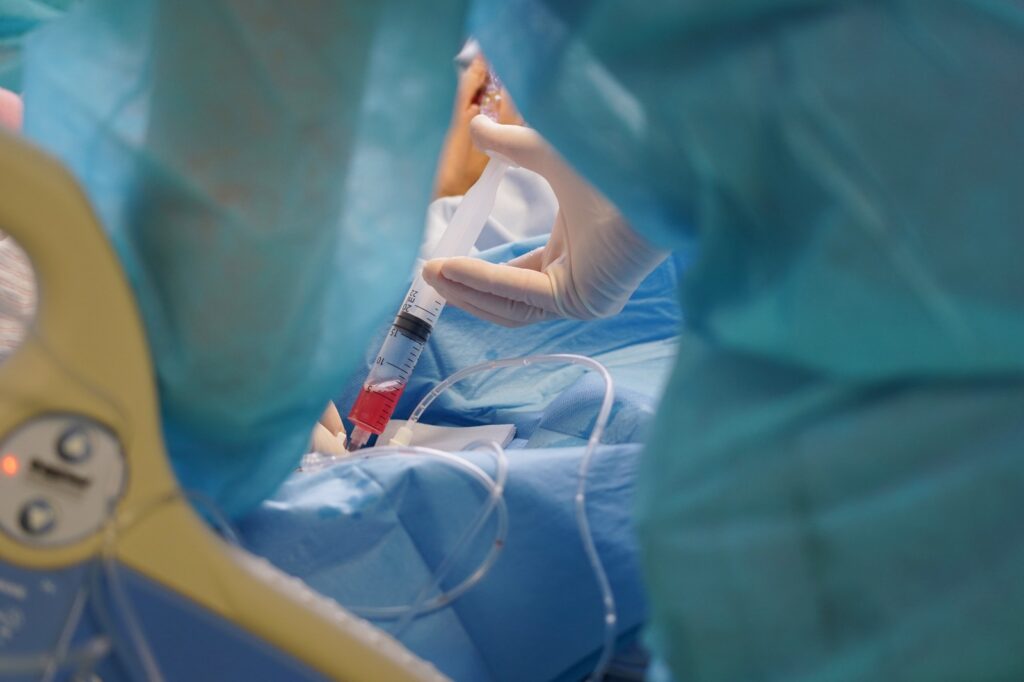
“These are two very small bags—5 to 10 milliliters each—but they are literally life-saving,” emphasizes Prof. Kałwak.
A pioneer of pediatric CAR-T therapy in Poland
The University Clinical Hospital in Wroclaw is a pioneer of CAR-T therapy in children in Poland. On March 3, 2020, the hospital administered the first pediatric CAR-T treatment in the country. The first patient, Olek, had struggled with acute lymphoblastic leukemia for seven years, experiencing multiple relapses and unsuccessful treatments. After CAR-T therapy, he achieved complete remission and remains in excellent condition nearly six years later.
“CAR-T cells can persist in the body for years,” explains Dr. Monika Mielcarek-Siedziuk, pediatric transplantologist. “In many patients, their long-term presence is associated with durable remission.”
Results better than in the United States
Among the 50 pediatric patients treated in Wroclaw:
- 47 had B-cell acute lymphoblastic leukemia,
- 3 were treated for refractory B-cell lymphomas.
According to Prof. Kałwak, three-year overall survival reaches approximately 82%, and as high as 87% in children treated after relapse following transplantation. The two-year relapse-free survival exceeds 66%, compared to around 50% reported in comparable U.S. cohorts.
Currently, apart from Wroclaw, only one other center in Poland (Bydgoszcz) is accredited to provide pediatric CAR-T therapy.
The future: gene and academic CAR-T therapies
The University Clinical Hospital in Wroclaw continues to expand its portfolio of advanced therapies. The center has already introduced gene therapy for RAG1-SCID, a rare immunodeficiency disorder, and is preparing for accreditation in metachromatic leukodystrophy.
At the same time, a breakthrough has also been achieved in adult hematology. In August 2025, the Department of Hematology, Blood Neoplasms and Bone Marrow Transplantation at Wroclaw Medical University, led by Prof. Tomasz Wróbel, administered the first fully academic CAR-T therapy in Poland, produced entirely within an academic center without commercial manufacturers. The project was supported by the Polish Medical Research Agency and private donations.
Academic CAR-T therapies are significantly less expensive and can reduce production time by up to 50%, making treatment accessible to patients who may not qualify for reimbursed commercial options.
Thanks to the commitment of multidisciplinary teams, the University Clinical Hospital in Wroclaw is positioning Poland among Europe’s leading centers for pediatric and adult cellular therapies, offering patients access to cutting-edge medical technologies of the 21st century.