The University Clinical Hospital in Wroclaw (USK) has grown into the most important center in Poland, currently performing around 70% of all renal tumor cryoablation procedures nationwide. Thanks to a unique tumor-freezing technique and close collaboration between interventional radiologists and urologists, patients facing the so-called “silent killer” can now count on radical treatment delivered during a short, almost painless procedure.
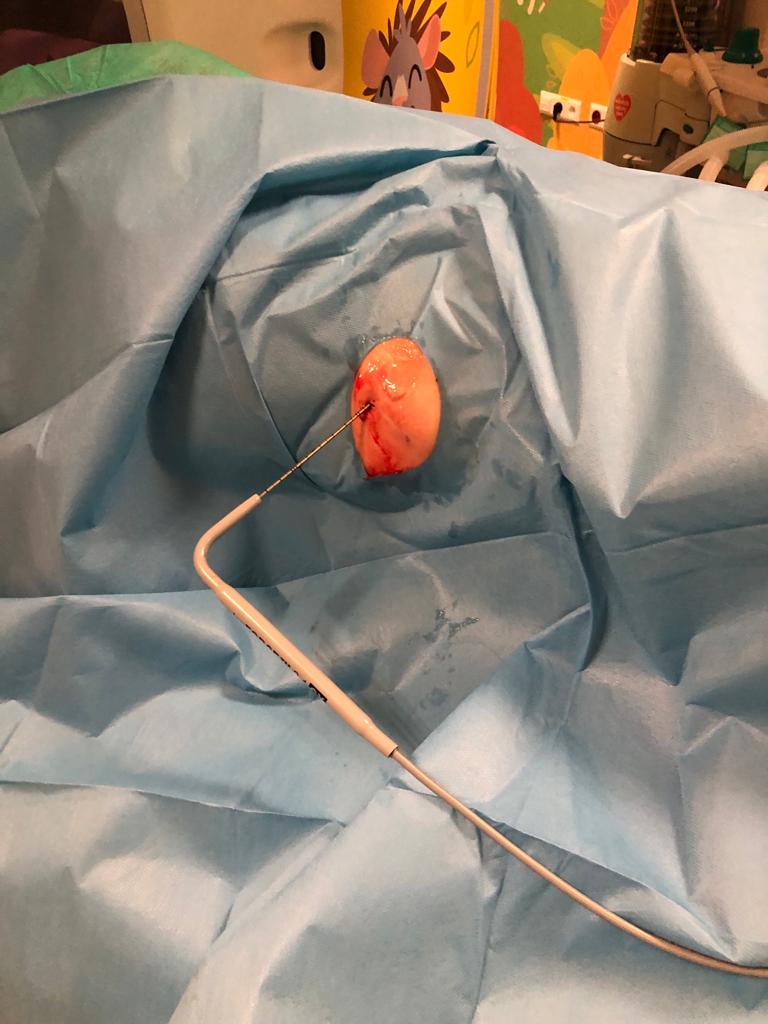
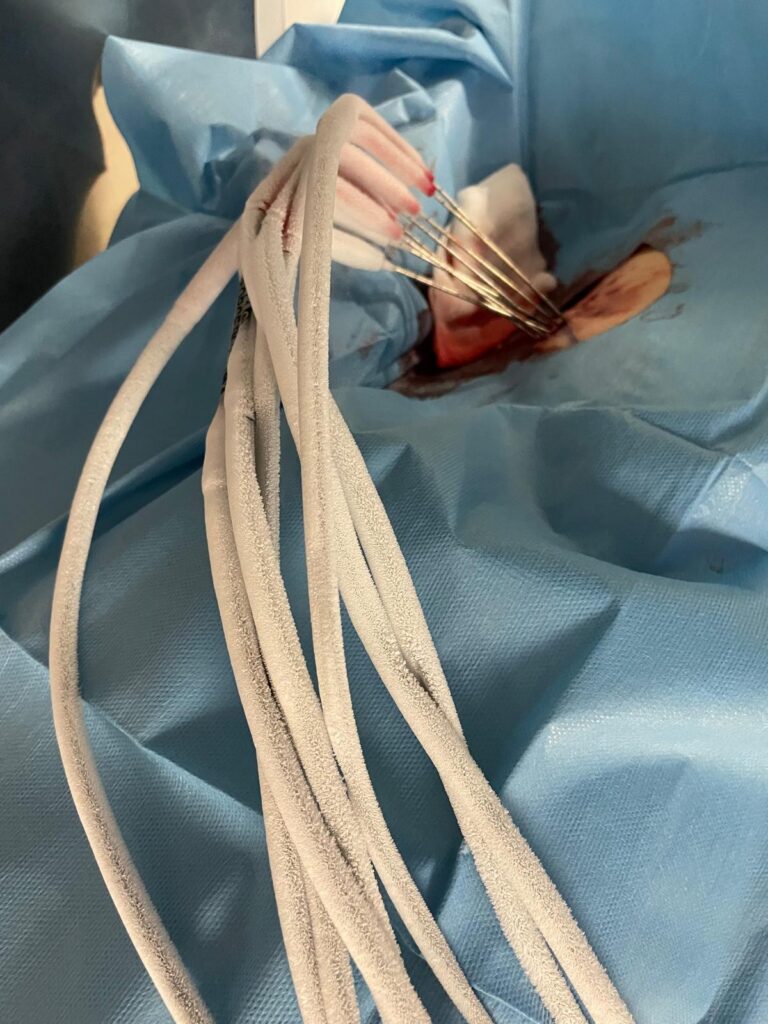
Behind the success of the Wrocław center stands a team of urologists and radiologists led by Maciej Guziński, MD, PhD, Professor, interventional radiologist and head of the Interventional Radiology Unit at USK. He introduced cryoablation to the hospital after intensive training in leading centers in France and Italy. As he emphasizes, the key innovation lies in the possibility of completely destroying a tumor inside the patient’s body without making surgical incisions, allowing physicians to move away from traditional open surgery or laparoscopy. In cryoablation, the tools are thin needles and three-dimensional image-guided navigation.
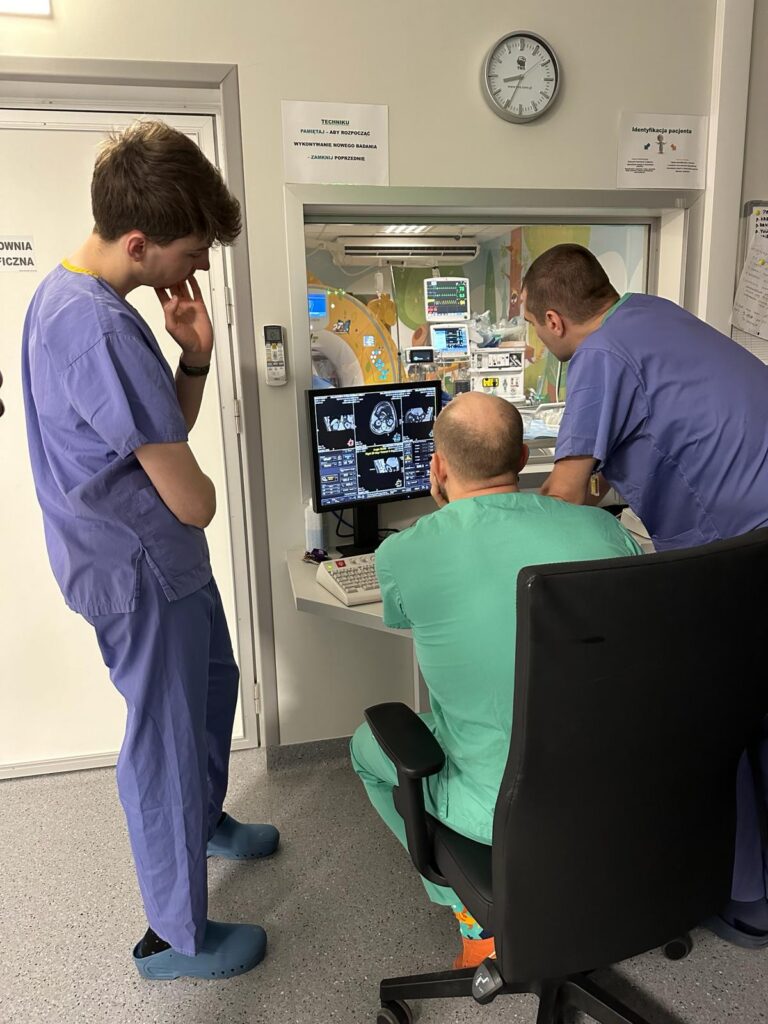
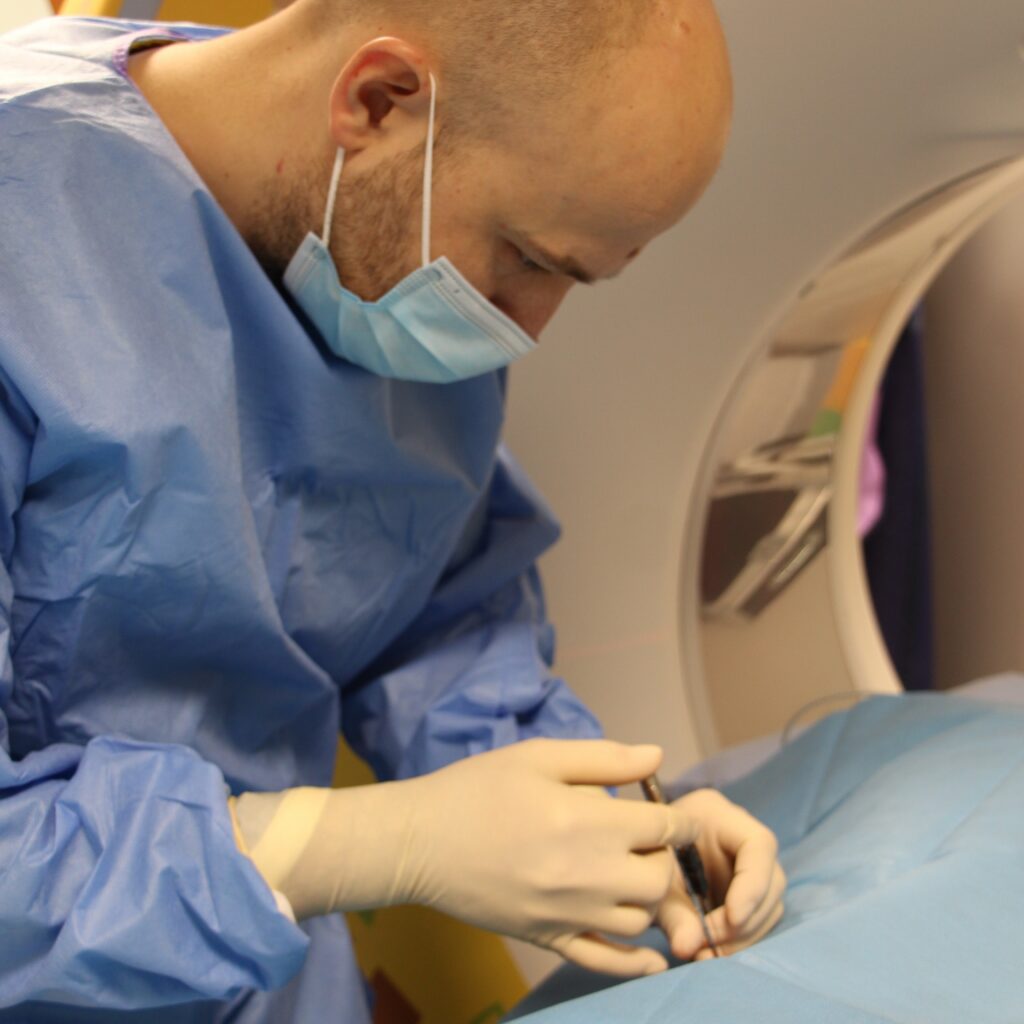
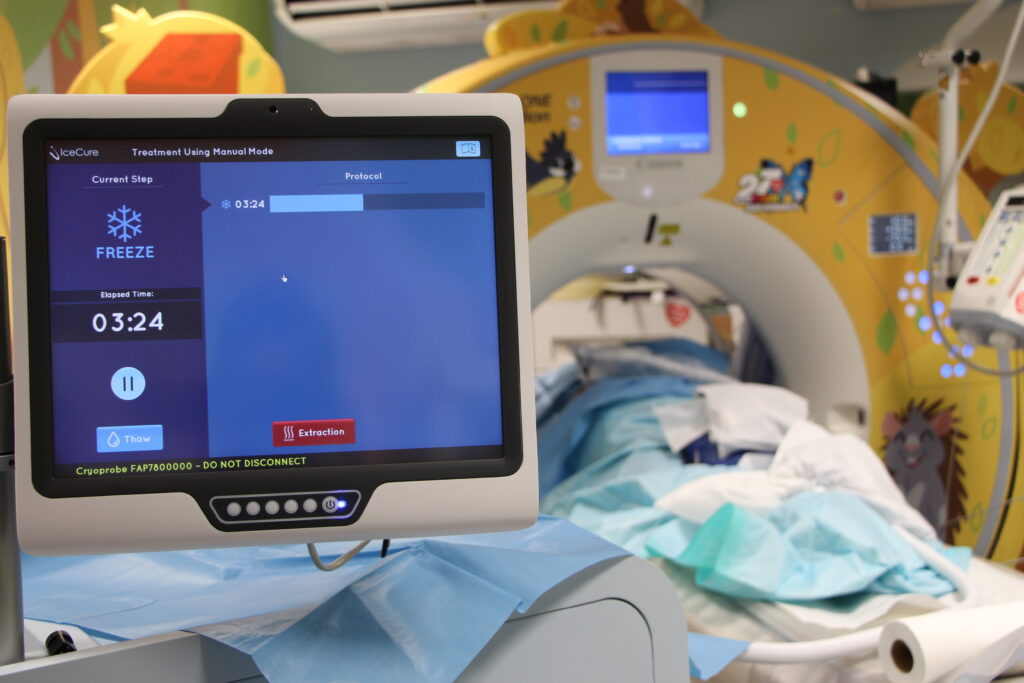
“It is surgical precision without a scalpel. We use a dedicated interventional CT scanner with an exposure time of about one second, which allows us to monitor every stage of the procedure in real time,” explains Prof. Guziński. “The patient lies still on the CT table under so-called analgosedation. This means they remain in contact with the medical staff and can talk to us, but most importantly – they feel no pain. After precisely positioning the needles at the correct depth, extremely low temperature energy is delivered directly into the center of the tumor. The needle tips can reach as low as –120°C.”id Krzysztof Gulda, Acting President of PARP, during the ceremony.
The specialist stresses that achieving a temperature below –40°C is crucial, as this threshold guarantees irreversible destruction of cancer cells. The freezing effects can be observed live on the CT monitor. The forming ice ball is clearly visible on the grayscale image, allowing physicians to confirm that the entire tumor – with an appropriate safety margin – has been frozen, without endangering neighboring organs.
“A single freezing cycle lasts from 3 to 20 minutes, and we usually perform two cycles of freezing and thawing to ensure complete tissue destruction,” adds Prof. Guziński. “After the procedure, the frozen tumor becomes dead, sterile tissue that is gradually absorbed by the body and transformed into an inactive scar. The freezing–thawing process itself takes about 40 minutes, but the entire procedure, including precise needle placement, can take up to two hours.”
Patient safety and comfort
The effectiveness of renal tumor cryoablation at USK Wrocław is estimated at around 90%. Follow-up observations extending over more than two years show that in nine out of ten patients the tumor shrinks or disappears completely after a single procedure. Only a small proportion of patients require repeat treatment. The greatest advantage of cryoablation is the combination of high efficacy with minimal invasiveness, as explained by Wojciech Krajewski, MD, PhD, Professor, specialist at the University Center of Urology at USK.
“The procedure is minimally invasive, because instead of a large surgical incision it only requires insertion of cryoprobes through the skin. Apart from the moment of puncture, it is essentially painless, as freezing tissues does not cause pain at all,” emphasizes Prof. Krajewski. “We perform it under local anesthesia or light sedation supervised by an anesthesiologist, avoiding the burden of full general anesthesia. Crucially, there is no cutting of tissues inside the abdominal cavity. The ice ball does not destroy tissues mechanically; instead, it induces apoptosis and necrosis – the tumor simply dies and over time turns into an inactive, sterile scar.”
Despite all the advantages of the new method, proper patient selection remains essential. In Poland, more than 5,000 cases of kidney cancer are diagnosed annually, more often in men. Cryoablation is an ideal solution for elderly patients, those with significant comorbidities (especially cardiovascular disease), and patients who have already undergone kidney surgery, for whom classical surgery would involve excessive risk. Although tumors up to 4 cm are generally considered the safe limit, the Wrocław team has successfully treated selected lesions measuring 6–7 cm, depending on their location. Often it is not size but precise anatomical position – for example proximity to other organs – that determines eligibility. A major benefit is the rapid recovery: patients are admitted the day before the procedure and usually discharged after just 24 hours of observation.
Fighting the “silent killer”
The University Clinical Hospital in Wrocław was the first center in Poland to begin performing these procedures under National Health Fund reimbursement in June 2023, immediately after cryoablation was included in the reimbursement system. Since then, nearly 200 procedures have been carried out at USK. In most other Polish centers, only a handful or a few dozen procedures are performed. As a result, the Wrocław hospital has become a national referral center, receiving patients from across the country.
Tomasz Szydełko, MD, PhD, Professor, director of the University Center of Urology at USK, draws attention to the problem of late detection of kidney cancer.
“Kidney tumors grow silently for a long time and, without preventive examinations, may go unnoticed. They can reach large sizes without causing any symptoms, which is why kidney cancer is referred to as a silent killer,” he explains. “We encourage patients to undergo an ultrasound examination once a year as part of taking care of their health, because even small tumors can be detected this way. The good news is that these tumors grow slowly – only a few millimeters per year – so regular imaging offers a real chance for early detection. Family history is a clear indication for more frequent check-ups.”
Prof. Szydełko also emphasizes that cryoablation is regarded as radical treatment.
“The tumor is destroyed by ice crystals, with the goal of complete eradication of cancer tissue. However, this method is not meant to replace standard surgical tumor removal in all patients; it is applied according to guidelines in selected cases. For example, tumors located very close to the intestine may not be suitable for cryoablation due to the risk of bowel wall damage and fistula formation.”
Collaboration as the key to success
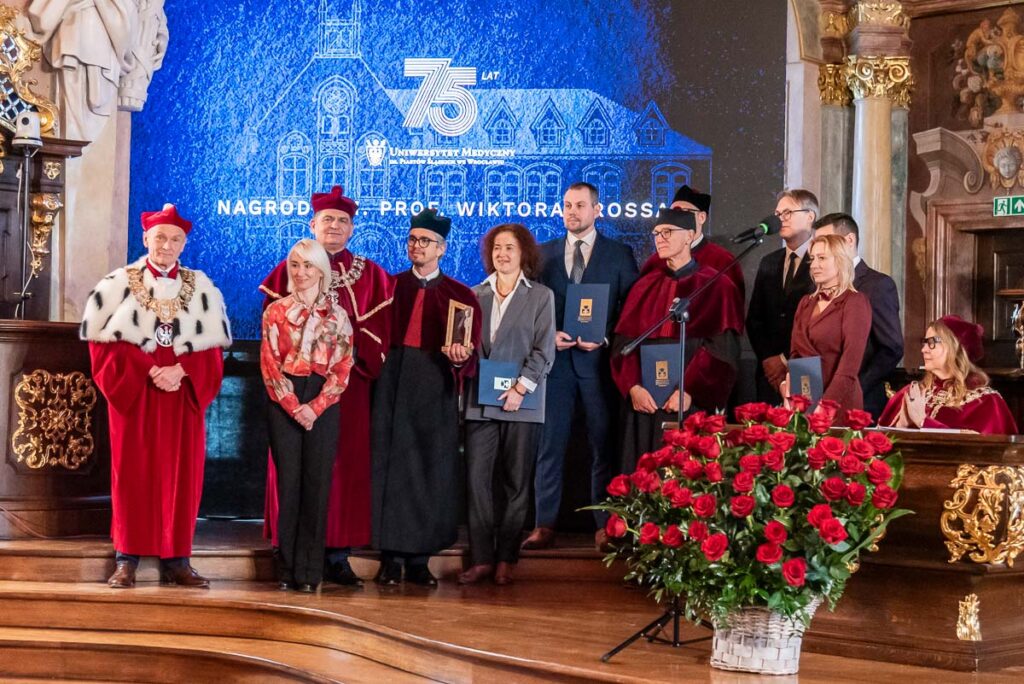
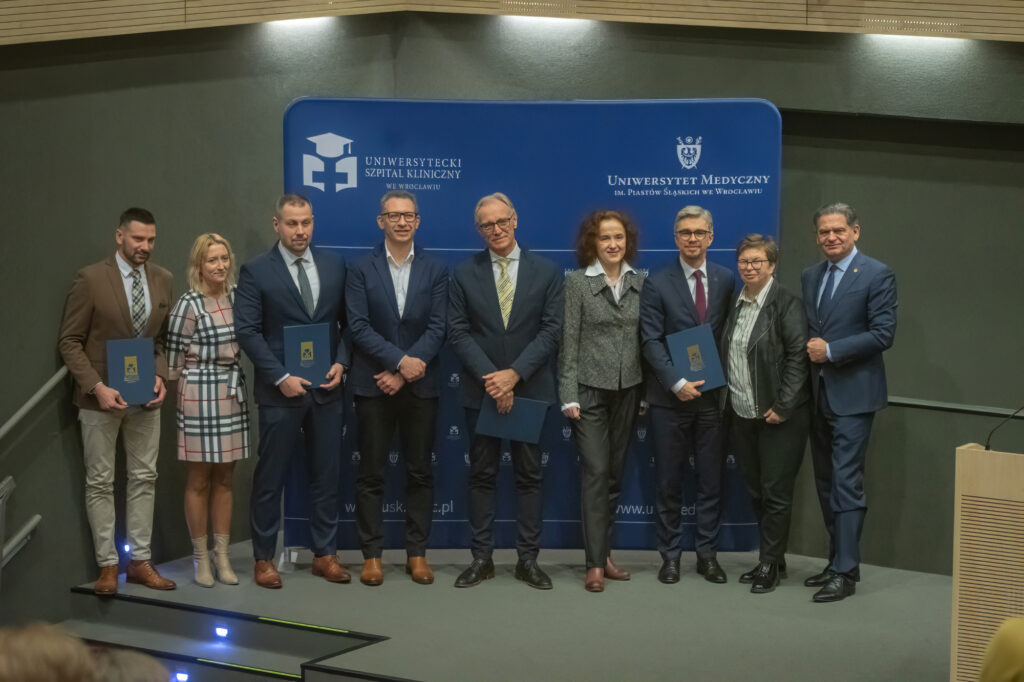
Percutaneous CT- and ultrasound-guided renal tumor cryoablation was recognized in this year’s Professor Wiktor Bross Award. The award committee honored the teams of the University Center of Diagnostic Imaging and the University Center of Urology in the category of organization of diagnostic and therapeutic processes.
According to Anna Zimny, MD, PhD, Professor, head of the University Center of Diagnostic Imaging at USK, interdisciplinary collaboration is the foundation of the project’s success.
“This procedure is performed jointly by two teams. The urologist and interventional radiologist qualify patients together and then jointly carry out the puncture and freezing of tumors on the CT table in the Interventional Radiology Unit – in a minimally invasive manner and without the need for general anesthesia. This is exactly the kind of cooperation we all strive for,” she says.
Renal tumor cryoablation is part of the broad portfolio of the University Center of Diagnostic Imaging at USK Wrocław, which includes hundreds of highly specialized procedures, some of them unique on a national scale. In Prof. Zimny’s assessment, minimally invasive interventional radiology procedures represent the direction in which modern oncological treatment is evolving worldwide. Wherever possible, they allow physicians to move away from extensive surgical operations, offering patients maximum safety and an almost immediate return to full activity.
“Such interdisciplinary cooperation and conscious use of the most advanced methods that truly benefit patients best illustrate the direction in which our hospital has developed. Now we can further expand this path and continue refining these procedures,” concludes Prof. Anna Zimny.