

Medical misinformation
Lorem ipsum dolor sit amet, consectetur adipiscing elit. Ut elit tellus, luctus nec ullamcorper mattis, pulvinar dapibus leo.
Medical Misinformation: A Challenge for Public Health and Trust
Every day, people search online for health information. Alongside reliable sources, they increasingly encounter misleading advice, false experts and persuasive narratives that influence real-life decisions about prevention and treatment.
Medical misinformation is no longer limited to conspiracy theories. It has become part of everyday discussions about vaccines, nutrition, supplements and lifestyle, making it a growing challenge for public health and societal resilience.
The report Medical Misinformation in Poland 2025–2026, prepared by Wroclaw Medical University and Mediaboard (link: mediaboard.com), examines how health misinformation spreads, which narratives dominate public debate and why combating it requires cooperation between science, medicine, education and public institutions. By promoting access to trustworthy, evidence-based information, universities play a vital role in strengthening public trust and supporting informed health decisions.
Learn more
Medical Misinformation: A Growing Challenge for Public Health and Social Trust
Every day, millions of people search online for answers about symptoms, treatments and prevention. Yet alongside reliable information, they increasingly encounter misleading advice, false experts and persuasive narratives that can influence real-life health decisions.
Medical misinformation is no longer limited to fringe conspiracy theories. It has become part of everyday conversations about nutrition, supplements, vaccination and lifestyle. In many cases, it exploits fear, uncertainty and declining trust in institutions, making it one of the most pressing challenges for public health and societal resilience.
As one of Poland’s leading medical universities, Wroclaw Medical University recognises that generating scientific knowledge is only part of its mission. Equally important is ensuring that reliable, evidence-based information reaches society in a clear and accessible way.
The report Medical Misinformation in Poland 2025–2026, prepared in cooperation with Mediaboard, provides a comprehensive overview of how health-related misinformation circulates in the Polish information ecosystem, what narratives dominate public debate and why counteracting misinformation requires collaboration between medicine, science, education, media and public institutions.
Understanding how misinformation spreads is the first step towards building a more resilient society—one that can make informed decisions about health, trust science and navigate an increasingly complex information environment.
Medical Misinformation in Poland 2025–2026
Media Landscape Report – Executive Summary
Health information influences decisions that affect every individual and family. In an increasingly digital environment, medical misinformation has evolved from isolated false claims into a significant public health challenge. It affects attitudes toward vaccination, treatment, prevention and trust in healthcare professionals and public institutions. In its most harmful forms, it can contribute to delayed diagnoses, rejection of evidence-based therapies and decisions that directly threaten health and life.
The report Medical Misinformation in Poland 2025–2026, prepared by Wroclaw Medical University in cooperation with Mediaboard, provides one of the most comprehensive analyses of health-related misinformation in the Polish information ecosystem. The study demonstrates that misinformation is no longer confined to sensational conspiracy theories. Increasingly, it takes the form of seemingly practical advice on nutrition, supplementation, detoxification and lifestyle choices, making it more difficult to recognise and challenge.
The Scale of the Phenomenon
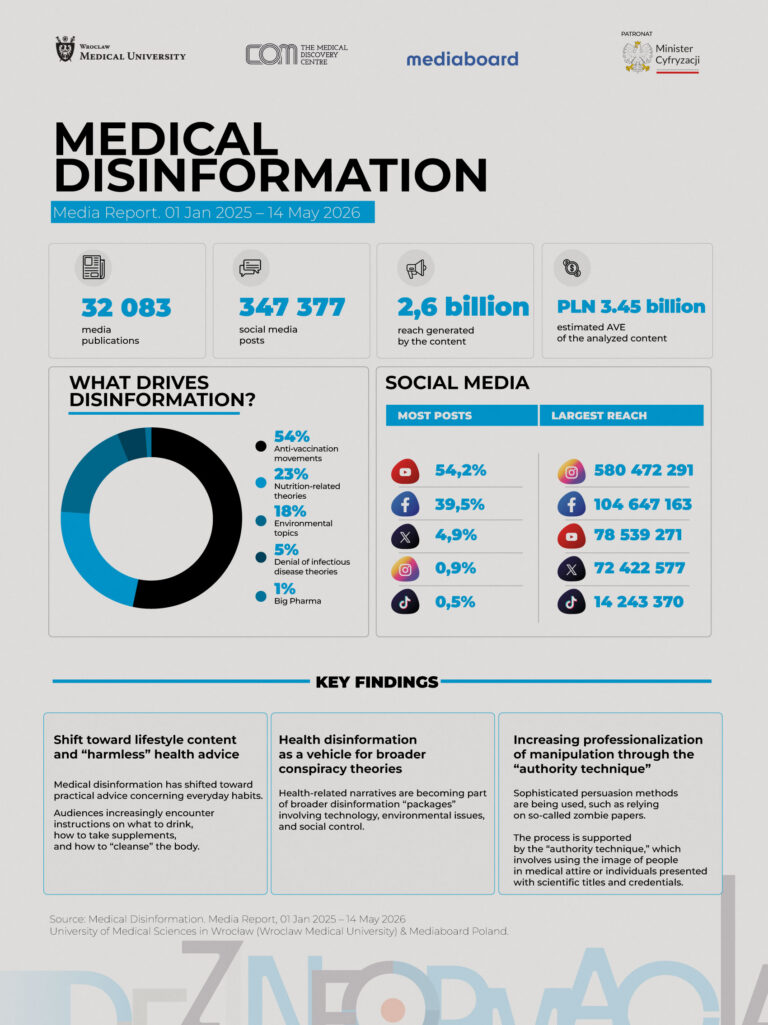
Between January 2025 and May 2026, the analysis identified:
- 32,083 media publications
- 347,377 social media posts
- More than 3.4 billion PLN in estimated advertising value equivalent (AVE)
- Nearly 3.5 billion contacts with misinformation-related content, including both misleading and fact-checking materials.
These figures illustrate that medical misinformation has become a mainstream topic of public debate and a persistent element of the information environment.
Dominant Narratives
Three thematic areas accounted for the majority of misinformation-related discussions:
- Anti-vaccination Narratives Representing 54% of analysed content, anti-vaccination narratives remained the most visible and emotionally charged category. Discussions focused particularly on HPV and COVID-19 vaccines, often exploiting parental fears and distrust of institutions.
- Nutrition and Lifestyle Theories The fastest-growing category, responsible for 23% of content, promoted “natural” therapies, detoxification practices, high-dose supplementation and parasite-cleansing regimens as alternatives to evidence-based medicine.
- Environmental Conspiracy Theories Topics such as 5G, chemtrails and fluoridation combined health concerns with broader conspiracy narratives regarding social control and hidden threats.
New Mechanisms of Misinformation
The report identifies several emerging trends:
- Lifestyle Misinformation:increasingly replaces overt conspiracy theories, embedding misleading claims within everyday health advice. everyday health advice.
- Artificial Intelligenceis being used to create deepfakes, fake medical experts and fraudulent advertisements promoting miracle cures and supplements.
- “Zombie Papers” and False authority techniquesexploit retracted scientific publications and the imagery of healthcare professionals to create an illusion of credibility
Distribution Channels
Among social media platforms, YouTube accounted for 54.2% of all analysed posts, making it the most influential channel for building trust in alternative health narratives and self-proclaimed experts.
In traditional media, radio stations played a major role in shaping the public discussion by addressing misinformation through expert commentary and coverage of regulatory initiatives.
Beyond Misinformation: A Public Health and Security Challenge
The report concludes that medical misinformation extends far beyond communication and fact-checking. It contributes to declining trust in science, healthcare professionals and public institutions, while increasing social polarisation and vulnerability to manipulation.
Recognising these risks, Wroclaw Medical University is establishing the Medical Misinformation Observatory, a long-term initiative dedicated to monitoring emerging narratives, analysing their impact on public health and supporting evidence-based educational interventions. The findings will also inform the university’s public campaign “Healthier to Know”, as well as a new online platform dedicated to analysing and debunking popular health myths.
Why It Matters
Medical misinformation is not simply a communication problem. It is increasingly becoming an issue of health security, societal resilience and trust in science. Understanding how misleading narratives emerge, spread and influence behaviour is essential for protecting public health and strengthening evidence-based decision-making in the digital age.
Expert Comments
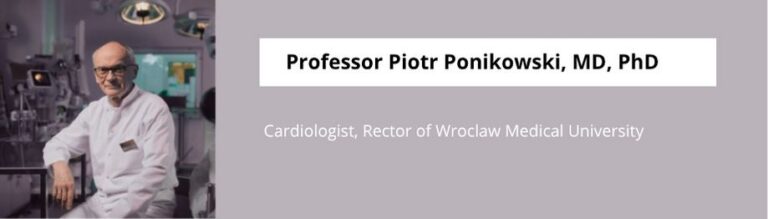
As a physician, but also as a scientist, I have no doubt that knowledge alone is no longer enough. What matters today is whether we are able to communicate it effectively. The more complex and inaccessible our language is when speaking to patients, the less likely they are to turn to us for reliable information. As a medical community, we must recognise this. That is why empathy has become one of the strategic values of Wroclaw Medical University – the leading medical university in Poland according to global rankings.
I firmly believe that a good physician can only be someone who is also a good human being. Someone who is able to see and hear not only what laboratory results reveal or what the patient explicitly says, but also what remains unspoken – perhaps because of fear, embarrassment or shame. We should refrain from judgement, as this is what allows us to understand the reasons behind people’s decisions. And only by understanding those reasons can we respond more effectively.
This commitment to understanding motivated the study we initiated at the Institute of Heart Diseases, which I have the privilege to lead. The research explores why patients with heart failure or those recovering from myocardial infarction refuse recommended vaccinations.
The medical indication for vaccination in these patients is unequivocal. At the turn of 2024 and 2025, around half of eligible patients declined vaccination. One year later, among 174 patients who qualified, 100 refused, and 18 of them chose not even to explain their decision.
Medical disinformation poses a real threat to human life. Consequently, it has also become a matter of national security. It is time we began speaking about this openly, clearly and without hesitation.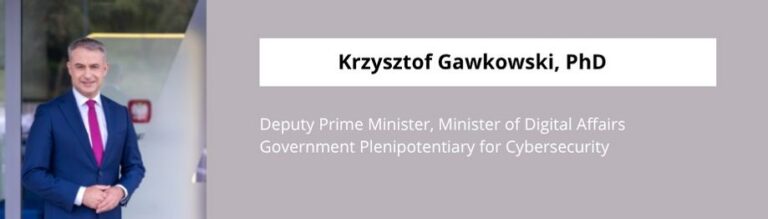
Disinformation has become a major factor affecting virtually every aspect of society, the state and the economy. This also applies to hostile activities conducted below the threshold of armed conflict, including so-called cognitive operations.
Particularly dangerous is disinformation in the field of health, especially medical disinformation. It poses a serious threat to public security, particularly when amplified by cyberattacks, fraudulent websites and manipulation through social media platforms.
False or misleading information influencing the public leads to poor health decisions, increased social anxiety, declining trust in healthcare professionals and public institutions, and a greater risk of epidemic outbreaks. Poland has set ambitious objectives for combating disinformation over the coming decade. These take into account the evolving national and international cybersecurity landscape, current technological trends and regulatory challenges, as well as the specific characteristics of Polish society and the economy.
Countering medical disinformation is therefore a crucial element in strengthening societal resilience against attempts to disrupt the cognitive and decision-making processes of Polish citizens.
Dane, które zebraliśmy i przeanalizowaliśmy w Mediaboard, są niepokojące z kilku powodów. Po pierwsze, dominujące narracje — ruchy antyszczepionkowe, pseudonaukowe teorie żywieniowe, teorie środowiskowe — nie są przypadkowe ani chaotyczne. Mają rozpoznawalnych autorów, stałe kanały dystrybucji i sprawdzone mechanizmy perswazji. Ich autorzy doskonale wiedzą, jak budować emocjonalne przekazy, które angażują odbiorców znacznie silniej niż rzetelna informacja medyczna. Po drugie, sztuczna inteligencja wchodzi do tej przestrzeni jako nowe narzędzie — zarówno po stronie tych, którzy dezinformację produkują, jak i tych, którzy próbują ją wykrywać i zwalczać.
Właśnie dlatego zdecydowaliśmy się połączyć nasze kompetencje w zakresie monitoringu i analizy mediów z wiedzą naukową i kliniczną Uniwersytetu Medycznego we Wrocławiu. Wierzymy, że skuteczna odpowiedź na dezinformację medyczną wymaga dziś ścisłej współpracy między środowiskiem medioznawczym a środowiskiem medycznym. Samo liczenie publikacji nie wystarczy — potrzebujemy wspólnego, systematycznego śledzenia, jak konkretne fałszywe narracje przekładają się na decyzje zdrowotne Polaków: na odsetek nieszczepionych dzieci, na opóźnienia w diagnostyce onkologicznej, na rezygnację z terapii na rzecz pseudo leczenia. Raport, który dziś publikujemy, traktujemy jako punkt wyjścia, niejako podsumowanie. Naszym celem jest budowanie stałego, opartego na danych systemu wczesnego ostrzegania przed nowymi falami dezinformacji medycznej — zanim trafi ona do gabinetów lekarskich w postaci pytań i postaw pacjentów, którzy uwierzyli w coś, co nauka dawno odrzuciła.
Apelujemy do mediów, instytucji zdrowia publicznego i decydentów: dane są dostępne, narzędzia istnieją, partnerstwa są możliwe. Brakuje przede wszystkim konsekwentnego działania. Mamy nadzieję, że ta współpraca stanie się modelem, który inni będą chcieli powtórzyć.
The media report Medical Disinformation (1 January 2024 – 14 May 2026) provides a snapshot of today’s information environment. The expansion of the media landscape through the internet—and particularly through social media platforms—has enabled virtually every user to become a publisher. As a result, a substantial proportion of online content is now created or shared by individuals who are not experts in the subjects they discuss, making it especially vulnerable to the spread of misinformation and disinformation.
The report illustrates both the scale of the problem and—perhaps more strikingly—the persistence and even growth of disinformation narratives, including the resurgence of anti-vaccination messaging. It also highlights the influential role of so-called opinion leaders, referred to in the report as alternative authorities. Although they are not part of the mainstream media, they are often highly effective at disseminating misleading content to large audiences.
Finally, the report demonstrates that medical disinformation fuels polarisation around critical health issues, undermining public trust not only in specific medical interventions but also in the healthcare system more broadly. If there is one encouraging finding, it is the growing public interest in the issue of medical disinformation itself. This increasing awareness provides an important foundation for strengthening health literacy, promoting evidence-based communication, and building greater societal resilience against false and misleading health information.
In light of the report’s findings, the need to educate healthcare professionals—both those already in practice and future professionals currently studying at medical universities—must be emphasised more strongly than ever. This education should extend beyond medical disinformation itself and encompass the broader digital transformation of healthcare.
Today, everyone working within the healthcare system should possess at least a foundational understanding of the digitalisation of medicine, including emerging technologies, artificial intelligence and their applications for both healthcare professionals and patients.
Healthcare professionals do not need to become programmers. However, they do need to understand how these technologies work, along with their capabilities and limitations. Such knowledge is essential for recognising and resisting disinformation. It also reduces the risk of unintentionally contributing to the spread of false or misleading information by relying on digital tools or AI systems that are not fully understood.
Unfortunately, these competencies remain largely absent from current national educational standards that shape medical and health sciences curricula. This gap affects virtually every discipline within medicine and the health sciences.
This must change without delay. Digital literacy, AI literacy and resilience to medical disinformation can no longer remain the domain of optional courses, specialist workshops or personal interest. They must become an integral part of the education of every future healthcare professional.
We are witnessing the increasingly visible emergence of health disinformation influencers. Rather than relying primarily on overt conspiracy theories, they build their audiences by exploiting medical topics that are difficult for the general public to verify independently. They take advantage of the knowledge asymmetry between experts and lay audiences, cultivating credibility through the language of pseudoscience, references to “hidden knowledge,” and systematic efforts to undermine trust in healthcare professionals and public institutions.
Because health is closely linked to fear, hope and the need for security, it has become an especially powerful driver of online attention and engagement. Concerns about illness, children’s wellbeing or diagnostic uncertainty are transformed into audience reach, which is then effectively monetised through the sale of dietary supplements, online courses, consulting services, and advertising revenue.
To date, there is little evidence that major digital platforms are taking coordinated and effective action to curb the monetisation of fear-driven health disinformation. This remains one of the most significant challenges in protecting the integrity of the online health information ecosystem.
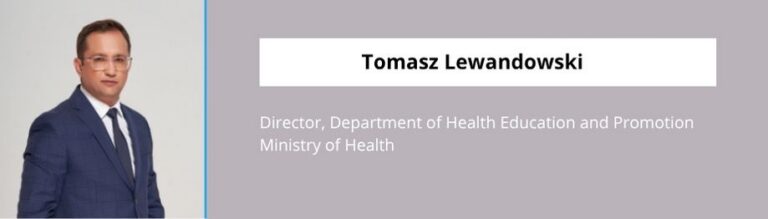
The report demonstrates that medical disinformation strikes at the very heart of disease prevention. Increasingly, health-related decisions made online are shaped by algorithms, bots and false authorities rather than by medical evidence.
This is why the Ministry of Health is working to create a single, trusted source of health information where everyone will be able to access reliable, evidence-based guidance on health, disease prevention, screening and vaccination. Health education must be readily available before patients encounter manipulation and misleading claims.
The recently adopted Lex Szarlatan Act by the Polish Parliament is one of the measures designed to combat pseudomedicine, fraudulent therapies and the exploitation of patients’ fears. Together with public education and access to trustworthy information, it forms an important part of Poland’s broader strategy to strengthen public health resilience against medical disinformation.
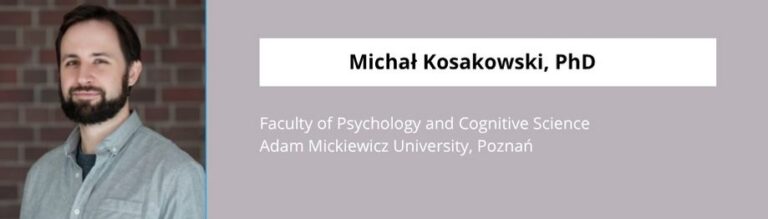
Conspiracy theories appeal to fundamental psychological needs. They appear to make sense of a complex world, provide a sense of control, and offer the feeling of participating in a shared struggle for a greater good. In reality, however, they deepen social problems rather than solve them. Medical conspiracy theories illustrate this dynamic particularly well.
Periods of uncertainty—undeniably frequent in recent years—encourage reliance on cognitive shortcuts that simplify reality and offer seemingly convincing explanations for complex issues. As this report demonstrates, social media platforms can amplify this effect by promoting emotionally charged content that spreads rapidly and attracts disproportionate attention.
Within such environments, it is easy to create an illusion of expertise, particularly when messages reinforce conspiracy narratives that align with the audience’s existing expectations and beliefs. This combination of psychological vulnerability and algorithmic amplification makes medical conspiracy theories especially difficult to counter.
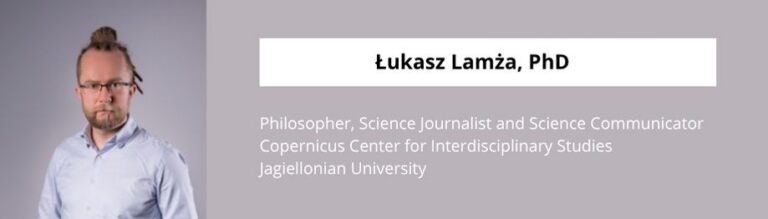
Medical disinformation deserves particular attention because, unlike many other forms of disinformation, it has direct consequences for people’s health and lives. There are, after all, conspiracy theories whose real-world impact is relatively limited. To be frank, what is the actual cost of believing that the U.S. government possesses hidden UFO technology?
Medicine is different. It is a field in which decisions have tangible consequences for health, quality of life and survival. One could arguably estimate the cost of a single misleading video or social media post in terms of poorer health outcomes—or even lives shortened as a result of decisions based on false information.
What struck me most in this report is the remarkable persistence of certain narratives. Some of them, such as anti-vaccination movements, have existed since the eighteenth century. Yet this should not discourage us. On the contrary, it should strengthen our resolve. We are not confronting an unknown or mysterious adversary, but a well-recognised and extensively documented threat—one that can be understood, anticipated and effectively addressed through evidence, education and sustained public engagement.
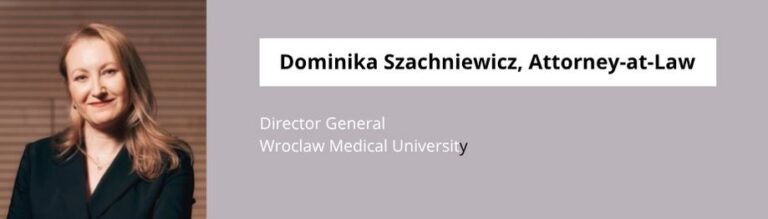
The report illustrates the scale of a phenomenon that cannot be addressed through a single intervention. More than 32,000 media publications and 347,000 social media posts demonstrate that medical disinformation has become embedded in the everyday information ecosystem.
This is precisely why Wroclaw Medical University’s “Better to Know” (Zdrowiej wiedzieć) campaign has been designed as a long-term commitment rather than a series of one-off initiatives. At stake is nothing less than the protection of public health and health security.
This requires responding rapidly to emerging false narratives, amplifying the voices of university experts, and communicating scientific evidence in ways that are clear, accessible and relevant to the public.
Today, the responsibility of a medical university extends well beyond education and research. It also includes safeguarding public trust in science and ensuring that reliable medical knowledge remains visible, understandable and accessible in an increasingly complex information environment.
We are living through a period of rapidly declining trust in experts and institutions. This trend is clearly reflected in the 2026 Edelman Trust Barometer Special Report: Trust and Health. Medical disinformation flourishes wherever fear, uncertainty and limited access to reliable knowledge intersect.
The Medical Discovery Centre https://en.umw.edu.pl/about/social-engagement/medical-discovery-centre/, currently being developed by Wroclaw Medical University, is our response to this challenge. We want it to become a form of “vaccine against disinformation“—a place that strengthens resilience to misinformation before it influences people’s health decisions.
The Centre will be an innovative, future-oriented space where the history of medical discovery, contemporary science and emerging technologies come together to tell a compelling story about the transformative impact of science on human life. Its mission is to foster critical thinking, strengthen resistance to manipulation and help visitors distinguish evidence from misinformation before false narratives translate into real-world health choices.
Today, science must speak in clear, accessible language while remaining attentive to the needs, experiences and concerns of patients. When scientific knowledge is combined with engaging, interactive experiences, it has the power to inspire curiosity, empower individuals and build trust. And in today’s world, trust in science is no longer only a matter of education—it has become an essential pillar of public health and societal security.
Medical disinformation is no longer simply a collection of isolated fake news stories. It has evolved into an entire ecosystem of interconnected narratives, bringing together anti-vaccination movements, “hidden truth” conspiracy theories and health influencers with no medical qualifications.
Its power lies not only in spreading false information, but in its ability to exploit our emotions. These narratives are built on fear for our own health and that of our loved ones, while simultaneously fuelling growing distrust in healthcare professionals and public institutions.
Reading this report, I was struck by the sense that we are witnessing the emergence of an alternative system of health knowledge—one that, for many people, appears more credible and compelling than evidence-based medical expertise. Recognising and addressing this parallel information ecosystem is one of the defining challenges for public health communication today.
What concerns me most is the finding that medical disinformation has moved beyond conspiracy theories and into everyday lifestyle advice. Presented in this way, it becomes far more dangerous because it appears harmless and cannot be countered with a single fact or correction.
From the perspective of science communication, this points to a clear priority. It is not enough to debunk false claims after they have spread. We must be present earlier—before someone else provides the answer. Trust is built over years through the consistent, accessible and understandable presence of credible experts, not through isolated fact-checks issued after the damage has already been done.
Another important warning highlighted by the report is the growing influence of false authorities and AI-generated deepfakes impersonating healthcare professionals. The response cannot simply be another institutional statement. It must come from real people—recognisable experts with names, faces and credibility whom audiences know and trust.
Scientists can no longer afford to remain within the walls of laboratories and academic institutions. They need to engage actively with the public through the media and digital platforms, because whenever experts remain silent, others will inevitably fill that space.
Medical disinformation is particularly effective because it exploits fundamental psychological mechanisms. The most persuasive messages are those that appeal to emotions—especially fear, uncertainty and a sense of vulnerability. As this report demonstrates, the scale of the problem is considerable, and it is concentrated around deeply personal issues such as vaccination, children’s health and alternative therapies. These are precisely the areas in which people are most receptive to messages that promise safety, simplicity and clear-cut answers.
Equally important is the way these messages are communicated. Medical disinformation is often presented in clear, accessible language and enhanced with features that imitate scientific credibility and professional authority. At the same time, it offers simple, universal solutions—claims that a single remedy “works for everything,” “addresses the root cause,” or provides definitive answers that relieve people of the need to evaluate evidence for themselves. This aligns with well-established principles of human cognition: critically assessing information requires time, effort and relevant knowledge, whereas simplified narratives are often more appealing than nuanced scientific explanations.
Against this backdrop, creating environments where people can engage with science in ways that are both accessible and inspiring becomes increasingly important. This is the vision behind the Medical Discovery Centre being established at Wroclaw Medical University. The Centre is founded on the belief that scientific knowledge can be rigorous, engaging and accessible at the same time. Its mission is to strengthen trust in science while helping visitors develop the skills needed to critically evaluate health information. In this sense, the Medical Discovery Centre is intended to serve as a “vaccine against medical disinformation“—building resilience before misinformation takes hold.
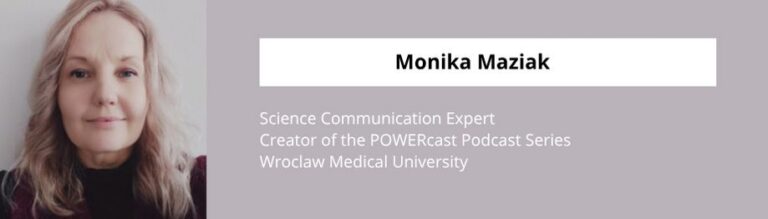
Countering disinformation often reminds me of the way responsibility for waste sorting has been assigned: instead of placing the primary burden on those who produce the problem, much of the responsibility is shifted onto consumers. Likewise, it is the public who are expected to verify, fact-check and assess the reliability of information. In an age of infodemics, this is becoming an increasingly difficult task.
On the other side stands a highly organised ecosystem that is well resourced, highly skilled and deeply familiar with the dynamics of digital platforms. Much of it is driven by financial incentives. Sensational headlines, fear-based messaging and confident claims offering simple, definitive solutions to complex problems should all serve as warning signs that prompt closer scrutiny.
None of us can realistically investigate every new claim attributed to “American scientists” or every headline that appears online. But when it comes to information about health, it is worth taking the time to verify the evidence, because the consequences of misinformation can be profound.
Finally, as we communicate about medical disinformation, we should remember that ridicule is rarely an effective response. Disinformation often succeeds because it speaks to deeply human emotions—fear for ourselves and our loved ones, uncertainty, and the hope that there may be an easier path to better health. Understanding these motivations allows us to engage more constructively with patients, colleagues or family members who have been drawn to the appeal of simple answers. Rather than judging them, we should respond with empathy and guide them towards trustworthy, evidence-based sources of information.
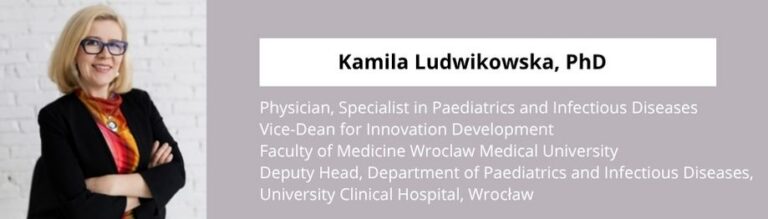
Human papillomavirus (HPV) vaccines are among the most extensively studied vaccines available, with a well-established safety and effectiveness profile (Henschke et al., 2025). Despite this, they have become a major target of medical disinformation, with measurable consequences for cancer incidence and mortality.
The most striking examples come from Japan and Denmark, where media campaigns based on false claims about adverse events following immunisation led to dramatic declines in vaccination coverage. In Japan, HPV vaccination uptake fell from over 70% to below 1%, while Denmark experienced a decline of more than 50%. Modelling studies estimate that these disruptions may ultimately result in approximately 25,000 additional cancer cases and more than 5,000 preventable deaths in Japan, as well as around 180 additional cervical cancer cases and 45 deaths in Denmark (Simms et al., 2020; Hansen et al., 2020).
Similar crises have been observed in several other countries. Wrocław provides an important example of how these trends can be reversed. The city has offered publicly funded HPV vaccination since 2010, yet during 2015–2016 vaccination coverage declined from over 80% to approximately 60% following waves of vaccine-related misinformation. Through targeted educational initiatives and communication strategies informed by behavioural science, public confidence was gradually restored, leading to an increase in vaccination uptake to approximately 72% (Ludwikowska et al., 2019).
Today, Wrocław is recognised as a model city in the fight against vaccine-related disinformation. Through the implementation of the Custom Med platform within the “Wrocław Gets Vaccinated” programme, the city has demonstrated how digital technologies, personalised communication and behavioural science can be effectively combined to strengthen vaccine confidence and improve HPV vaccination uptake.
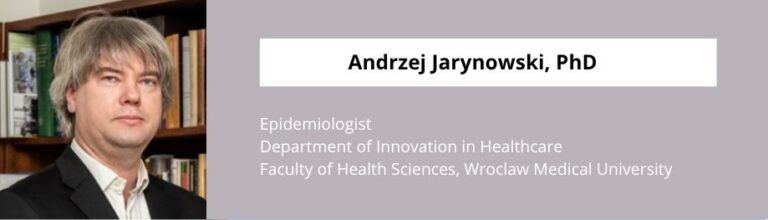
Health education in schools became a major focus of opposition among anti-health and anti-science communities. This was particularly evident at the beginning of 2025 and again in September 2025, when the subject was introduced into schools and parents were given the option to withdraw their children from participating. A similar wave of opposition may emerge in September 2026, when the voluntary component of the curriculum relating to sexual health education could once again become the target of organised disinformation campaigns.
At the same time, another topic is rapidly gaining prominence: lifestyle medicine and the controversial narratives surrounding it. Much of this discussion is driven by influencers who promote highly questionable health interventions, particularly those centred on nutrition and dietary practices.
It is important to recognise that public interest in lifestyle medicine is growing at an unprecedented pace. Two of the five best-selling books in Poland in 2025—Glucose Revolution and Health Without Excuses—focused on this subject. In this information environment, audiences can choose between registered dietitians, food scientists, endocrinologists and internal medicine specialists who explain complex biomedical mechanisms, or influencers who offer simplified, emotionally engaging narratives that are often easier to consume but lack a solid scientific foundation.
This is precisely where I see one of the most important responsibilities of medical universities. Beyond educating future healthcare professionals in medicine and science, they must also equip graduates with the communication skills needed to engage effectively with the public. Evidence-based knowledge alone is no longer sufficient if it cannot compete with compelling, accessible and emotionally resonant misinformation.