


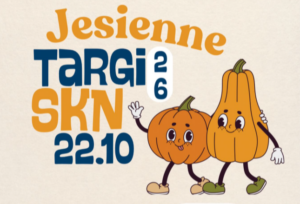
Autumn Student Research Society Fair
The Autumn Student Research Society Fair returns on 22 October! This year, we’ll be meeting in the foyer of the Wroclaw Medical University Library. The

Historic Polish Cuisine: A Hands-On Workshop
Join us for a workshop exploring the culinary traditions of historic Poland. At Wrocławska Restaurant, located at 59 Szewska Street, researchers and students will come
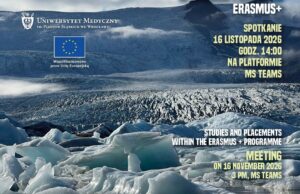
Erasmus+ Information Meeting for Students
An information session for students interested in studying or undertaking a traineeship abroad through the Erasmus+ programme will take place on Monday, 16 November 2026,
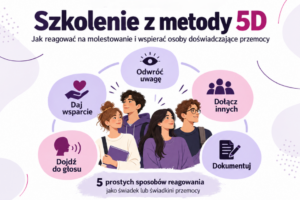
Workshops: How to Respond to Harassment in Public Spaces
Join us on Wednesday, 21 October, for workshops on how to respond to harassment in public spaces. The in-person sessions will take place at Wroclaw
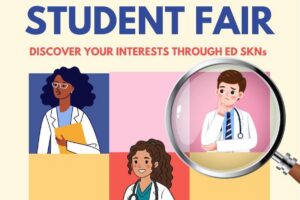
Student Fair 2026
Join us on 28 October for Student Fair 2026 – a showcase of English Division student scientific societies at Wroclaw Medical University, open to all

Climate change is accelerating
Climate change is accelerating, bringing increasingly serious consequences for human health. Rising temperatures, more frequent heatwaves and extreme weather events pose new challenges for healthcare systems, particularly in protecting vulnerable populations. How can medicine respond to these growing risks?