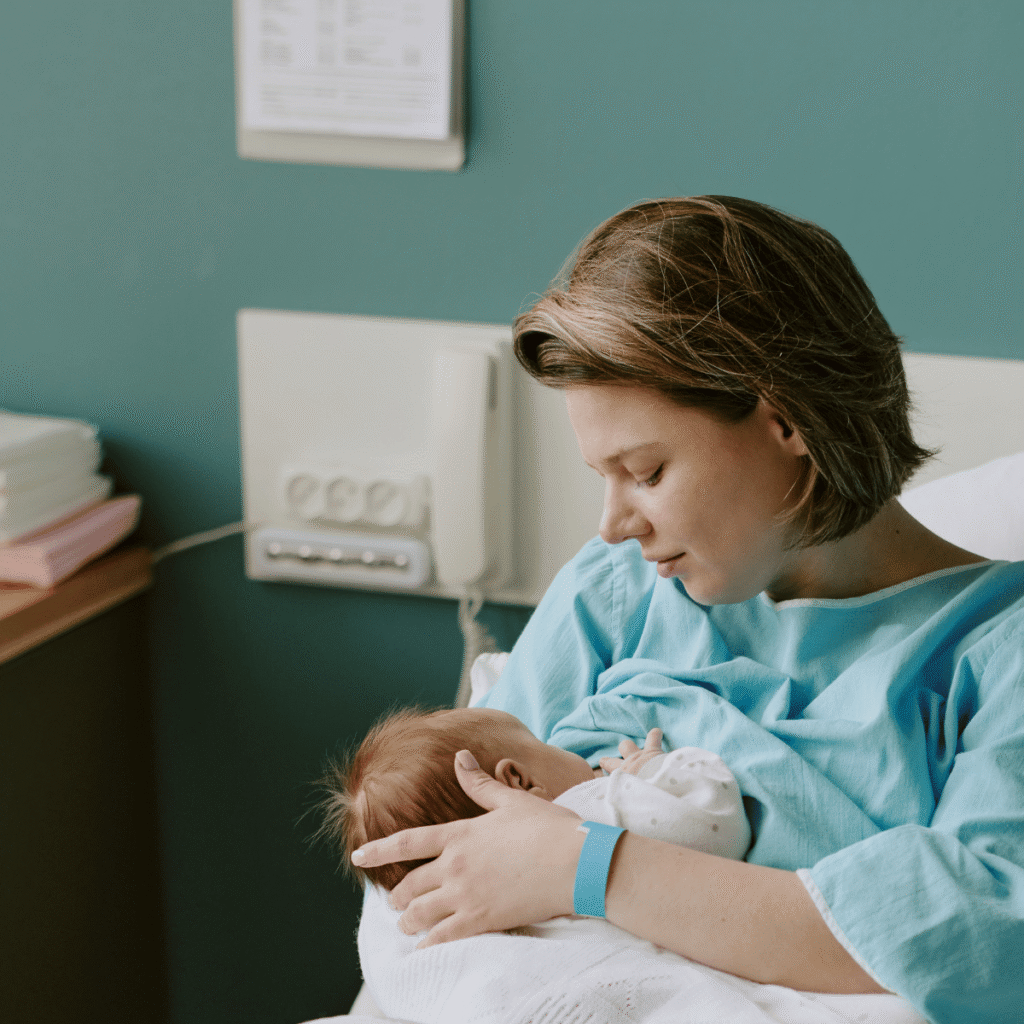
Pain, bleeding, itching, and other bowel-related problems after childbirth are not merely a matter of physical discomfort. A study conducted by researchers from Wroclaw Medical...
Could damage to the blood-brain barrier be detected before the first symptoms of neurological disease appear? This question remains one of the greatest challenges in...
Curcumin, berberine, and other plant-derived compounds have long attracted scientific interest because of their anti-inflammatory and anticancer properties. A new study by researchers from Wroclaw...
The first days after childbirth are a time of profound change – not only physically, but emotionally as well. Although the rooming-in model, in which...
A new study involving researchers from Wroclaw Medical University suggests that not only the amount of grain products we eat, but also the degree to...
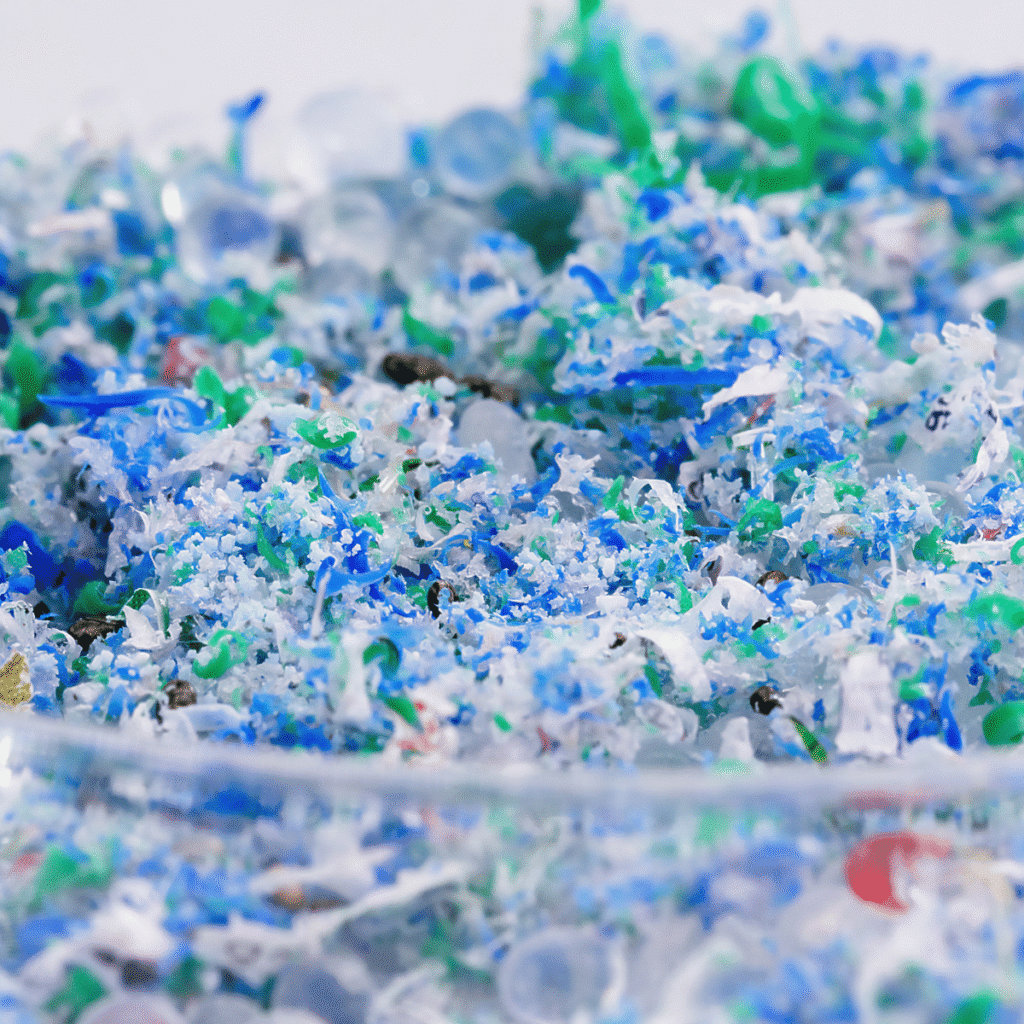
Plastic is now present almost everywhere. Over time, however, it breaks down into increasingly smaller fragments – microplastics and, eventually, nanoplastics, which are thousands of...