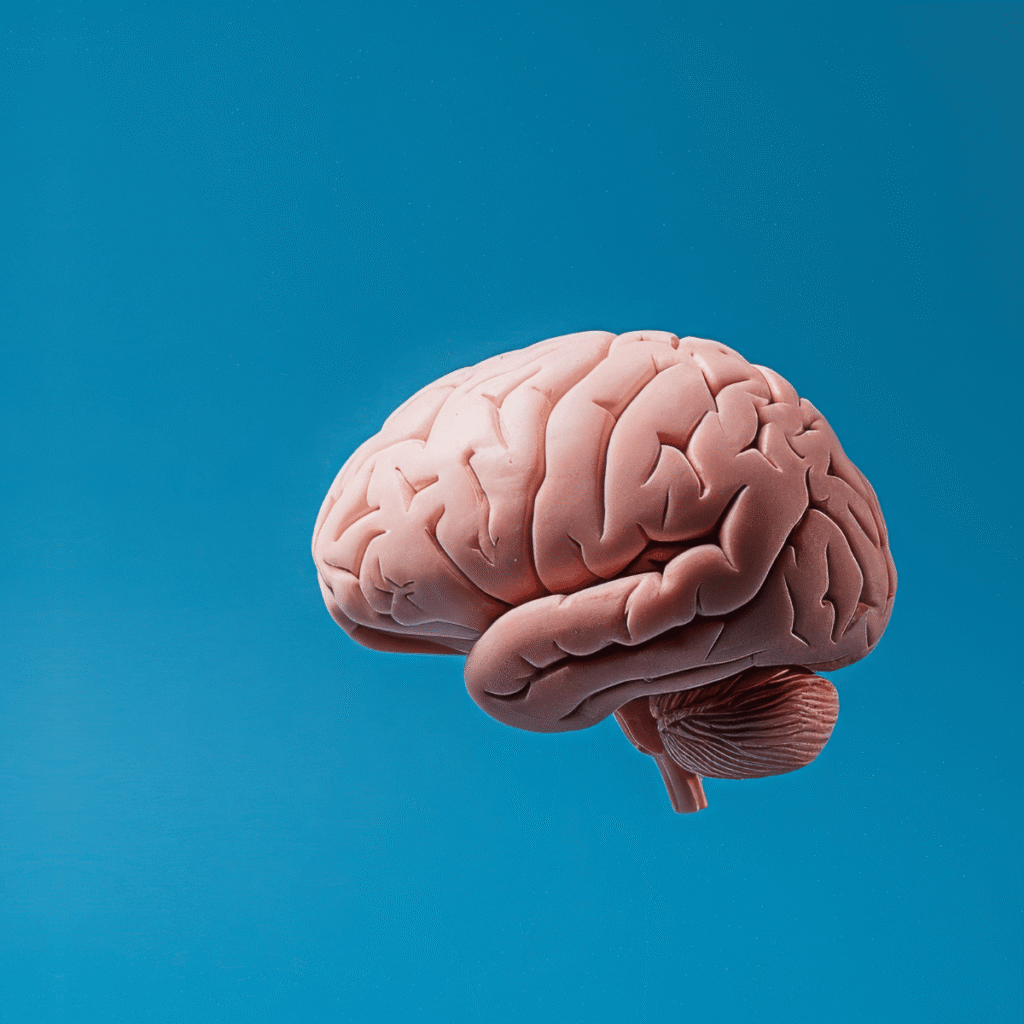
In recent years, there has been growing interest among adults with ADHD in the practice of microdosing classic psychedelics such as psilocybin and LSD. The...
Scientists from Wrocław discover a new principle governing one of the nervous system’s most important receptors Memory, concentration, sleep, emotions, and even the risk of...
GLP-1 receptor agonists are currently among the most widely discussed classes of drugs worldwide. They have gained popularity for their effectiveness in treating type 2...
As recently as the mid-20th century, aging was described by Nobel Prize laureate Peter Medawar as “an unsolved problem in biology”. Today, scientists can analyze...
Gestational diabetes is most commonly associated with temporary disturbances in glucose metabolism during pregnancy. However, growing evidence shows that its consequences may extend far beyond...
How society, culture, and emotions influence gastrointestinal diseases. Abdominal pain before an important exam, nausea during intense stress, or sudden intestinal problems following difficult life...